Thought Leadership
Perspectives on telecom and fintech
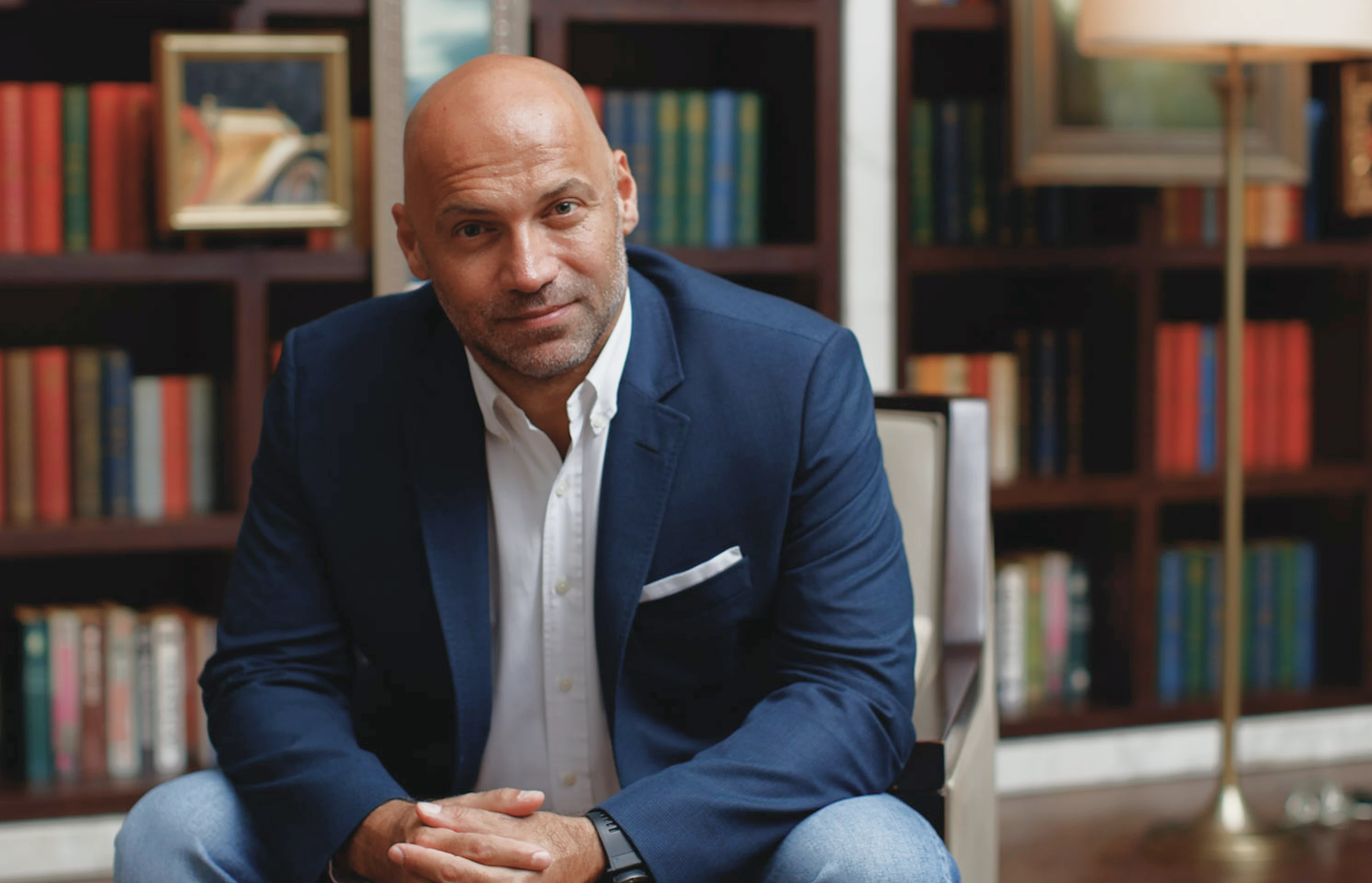
Almost everything I have built started with something others overlooked: a market considered too small, a network thought too far gone, a country people were leaving rather than investing in. I took those on partly because the queue was shorter, and partly because people remember who showed up when others did not.
In the early years, we took deals that barely paid just to prove we would do what we said we would do. That was not generosity.
Trust is the one thing in this industry you cannot buy at any price. You build it one delivery at a time. Much of what the group does today rests on relationships earned that way.
I do not wait for proof. By the time something is proven, the opportunity usually belongs to somebody else. Text messaging made sense to me before the market agreed. Walking away from a profitable television business to pursue it looked risky at the time. To me, it was the logical next move.
I get restless the moment a business stops teaching me something new. That restlessness is one reason the group kept expanding into new industries instead of remaining a single telecom company. It is not simply a strategy. It is part of my temperament.
If I could hand one thing to someone starting out, it would be this: build where you are from. Hire people who understand the place. Stay through the part where it gets hard, because that is usually where anything worth keeping gets made.
The future of telecom in emerging markets
How mobile operators can unlock new revenue streams through A2P monetization, fintech convergence, and eSIM technology.
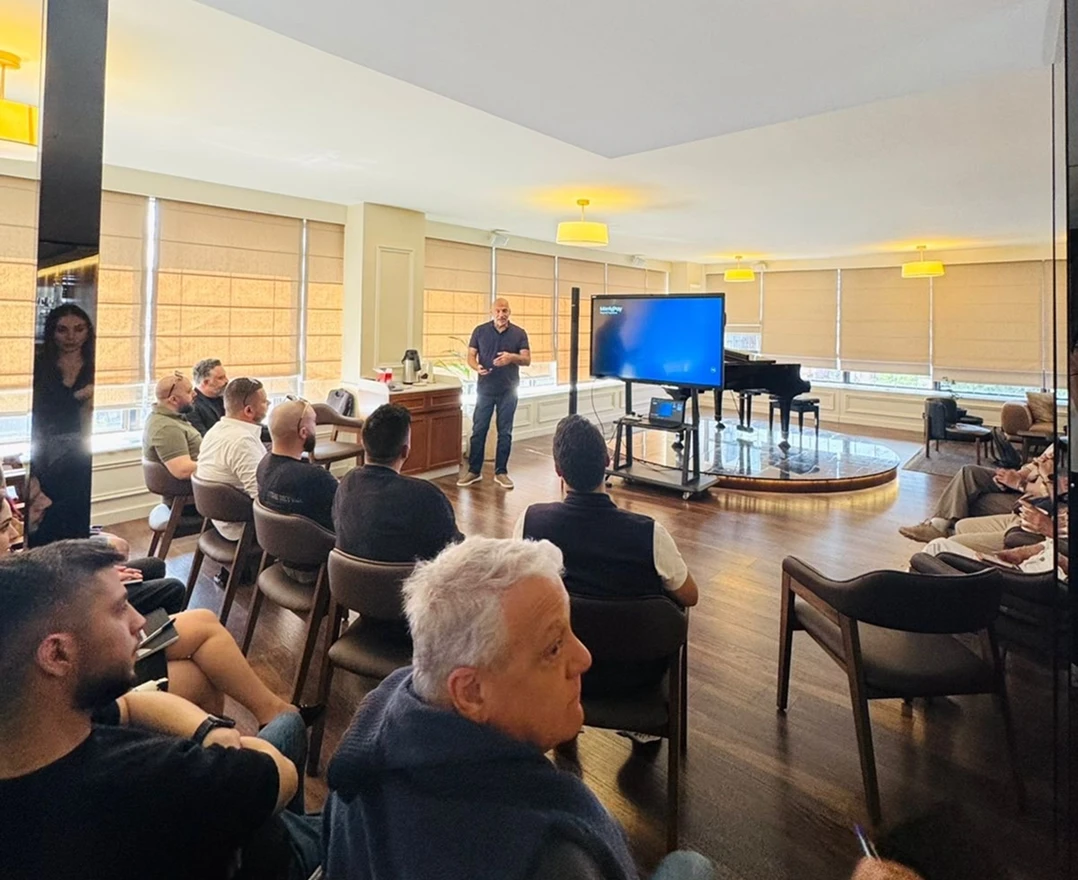
Telecom
If opportunity doesn't knock,
build a door.”


Founder and Chairman
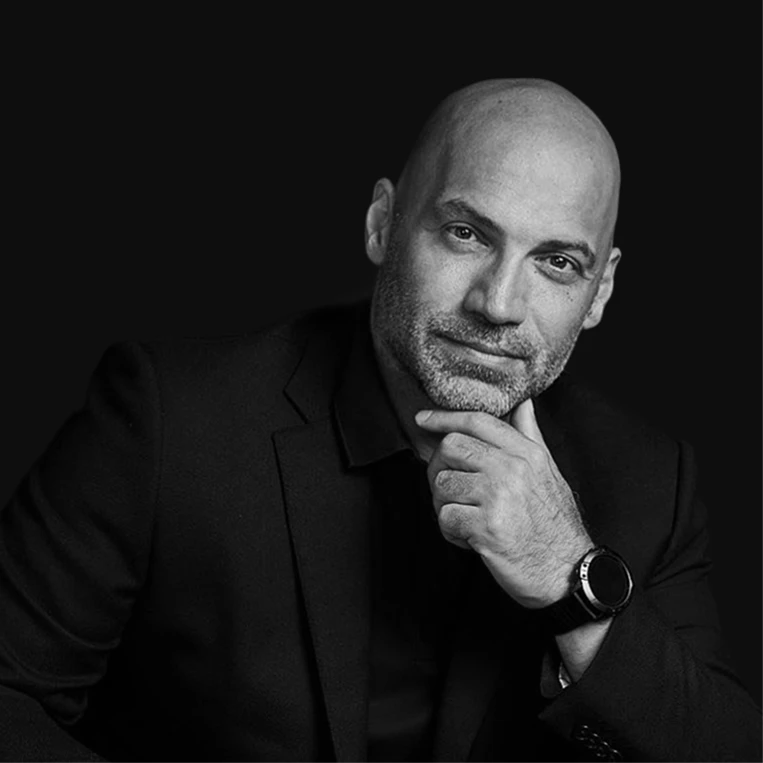
Fintech
Why financial inclusion requires telecom-fintech convergence
The 1.4 billion unbanked adults globally represent both a moral imperative and a massive market opportunity.
Traditional banking has failed 1.4 billion adults worldwide. The reasons are structural: brick-and-mortar branches don't scale to rural areas, KYC requirements exclude those without formal documentation, and transaction minimums make micro-savings uneconomical. Mobile operators, by contrast, already have relationships with these exact populations. They have identity verification through SIM registration. They have distribution through airtime agent networks. And they have trust built through years of daily transactions. This is why I founded MyMonty - not as another neobank for the overbanked, but as a bridge between the telecom infrastructure we already operate and the financial services that billions of people need. When you own the network, the identity layer, and the payment rails, you can build a bank that reaches people traditional finance never will.